In the world of real estate, the word “innovation” is often associated with advanced technologies, new materials, or intelligent building systems. At A Asset, however, we believe the true meaning of innovation is both simpler and more profound. It is about bringing together knowledge, experience, and responsibility to shape developments for the future—while always keeping people, communities, and the planet at the heart of every decision.
For more than three decades, the team behind A Asset, with roots in PPSN and BCONS, has accumulated extensive experience in engineering, project management, and collaboration with professional partners across Thailand, Japan, and Vietnam.
These experiences have taught us that the true value of a building should not be measured on the day construction is completed. What matters most is its ability to deliver a better quality of life for the people who live there throughout the building’s lifespan.
This philosophy has evolved into “ALWAYS ADVANCED”, A Asset’s corporate sustainability policy and philosophy under our “AAA Values.” It reflects our commitment to applying creativity and technology to enhance everyday living while fostering long-term growth that is both “balanced” and “sustainable”—for buildings and people alike.
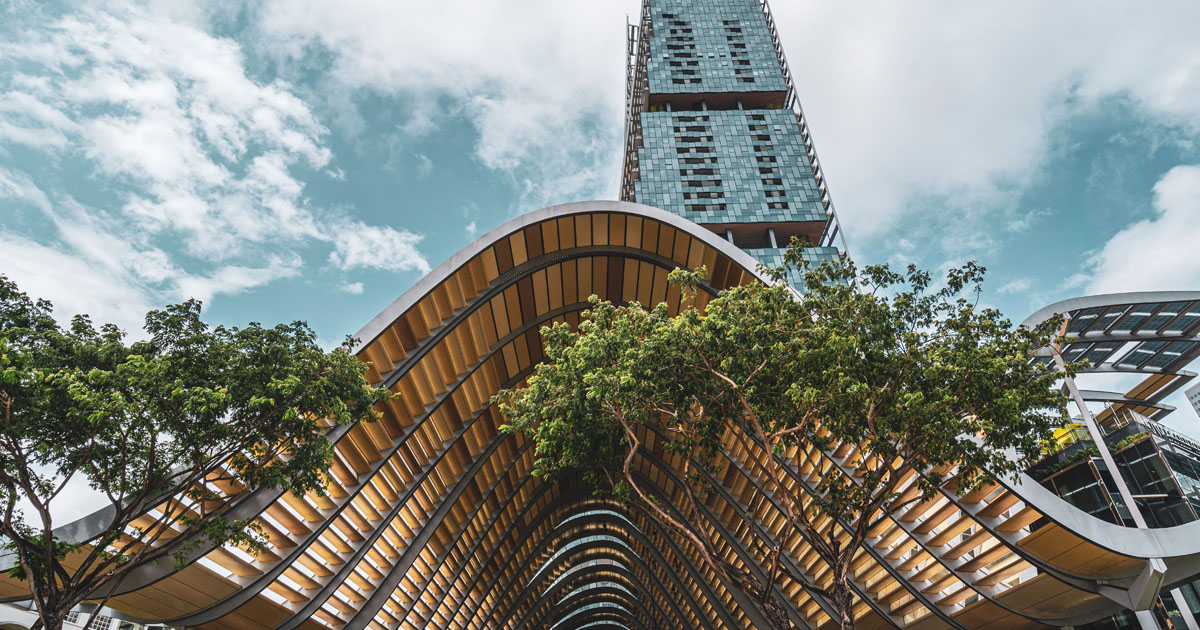
Innovation Begins with Understanding and Grows Through Real-World Experience
Before A Asset began developing its own projects, our management and engineering teams had opportunities to work alongside professional organizations on a wide variety of building developments.
Hands-on experience taught us that thoughtfully considered engineering details—from building systems to structural components hidden behind walls and beneath the ground—form an essential foundation for improving operational efficiency, reducing resource consumption, and extending a building’s lifespan.
Every A Asset development therefore begins with a deep understanding of how people actually live, combined with precise engineering design. The goal is to ensure that every element within a building works seamlessly together as one integrated system.
The Two-Centimeter Test: A Lesson from Japan
One experience in Japan clearly illustrates the sense of responsibility that has become deeply embedded in our way of working.
During the construction of a residential development, the team encountered soil conditions that differed from the initial projections, resulting in an approximate two-to three-centimeter deviation in the position of an underground structural element.
From a general construction perspective, the deviation was relatively minor, and the project could technically have proceeded. However, because we believe that structural integrity lies at the heart of long-term safety, our team, designers, and Japanese contractor partners jointly decided to dismantle and rectify the affected work immediately.
The decision meant extending the construction schedule by approximately six months and investing tens of millions of baht in additional costs.
That experience has remained an important reminder for us ever since: the attention we give to details that no one may ever see is ultimately what creates genuine confidence for the people who live in the buildings we create.
When Engineering Creates Environmental Value
Our sense of responsibility also extends to how thoughtfully we use the planet’s resources.
When our engineering team had the opportunity to contribute to a large-scale government project, we faced both budget constraints and the challenge of optimizing resource consumption. In response, we applied Value Engineering, conducting an in-depth review of the structural system, reassessing load distribution, and optimizing the foundation design and reinforcement configuration.
The result was a building structure that maintained the same standards of performance, strength, and safety while reducing material consumption and its environmental impact.
For us, this represents one of the most meaningful values of engineering: using knowledge to find better alternatives—not only for a project, but also for the world around us.
Attention to Detail That Creates Long-Term Value
The same philosophy was reinforced through our experience working on a luxury mixed-use development in the heart of Bangkok.
During construction, the team discovered groundwater conditions that required further investigation. With a shared vision of ensuring that the building would remain strong and resilient for decades to come, the project team and owner chose to pause construction and bring in specialists to conduct an in-depth assessment.
Every decision was carefully evaluated through scientific and engineering principles, with long-term quality as the ultimate objective.
We understand that the extra time and effort invested in getting the details right today can become lasting value and greater safety for generations to come.
From Building Cities to Designing for Well-Being
Our experience working across different countries—particularly on large-scale mixed-use developments in Vietnam, including BCONS CITY 1, BCONS CITY 2, and BCONS GARDEN—has given us a clearer understanding of how construction processes and on-site management can directly affect the well-being of both construction workers and surrounding communities.
This is why we place significant emphasis on responsible resource management throughout every construction site, carefully planning how each material and every square meter of space can be used to its fullest potential.
One of the technologies we have extensively implemented in Vietnam is Building Information Modeling (BIM).
BIM is far more than a three-dimensional model used for visualization. It is a comprehensive system that supports the management of a building throughout its entire lifecycle.
Through BIM, we can accurately simulate material requirements, plan construction sequences to minimize material waste, and reduce construction periods that may otherwise cause prolonged disruption for surrounding communities.
More importantly, the information captured within the BIM system can be transferred to future building management teams, enabling more precise maintenance and repairs. This helps extend the building’s useful life while reducing unnecessary demolition or replacement work.
These experiences have helped shape a culture at A Asset in which attention to detail and respect for every resource are deeply embedded in the way our people work.
Beyond physical strength and structural integrity, our experiences across different countries have also inspired us to explore Wellness Architecture and Healing Design—approaches that seek to create a healthier relationship between the built environment and people’s quality of life.
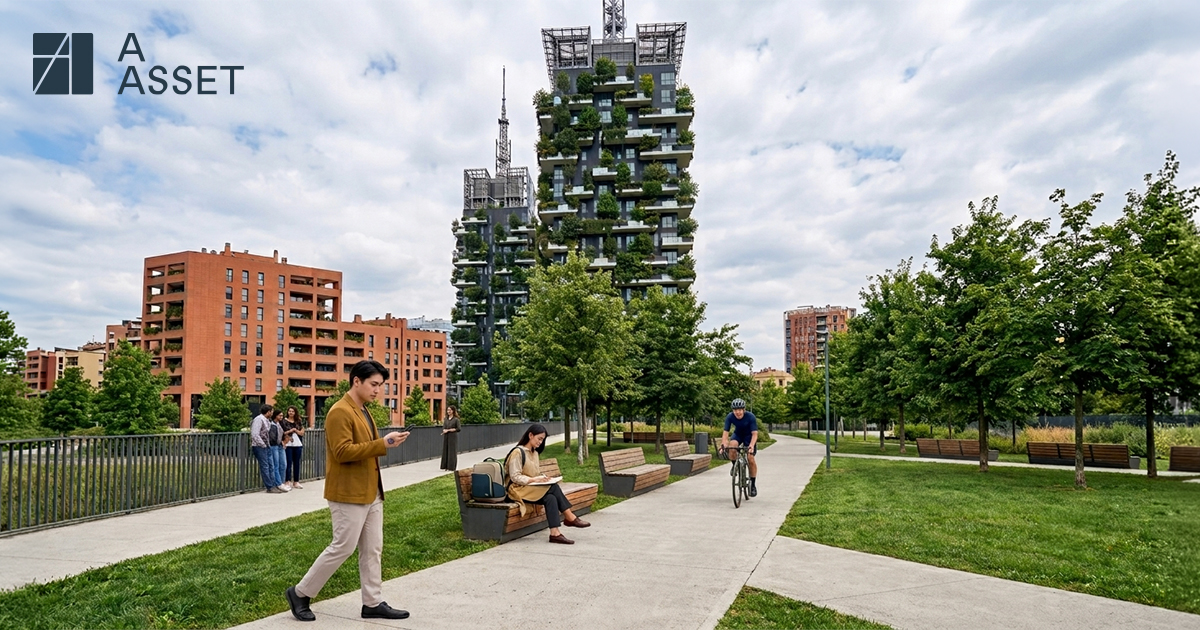
We carefully consider how natural daylight can support the body’s circadian rhythm, how clean air can circulate effectively throughout a building, and how acoustic conditions can be designed to create a greater sense of calm. We also incorporate green spaces that encourage people to step outside, meet, interact, and build meaningful connections with one another.
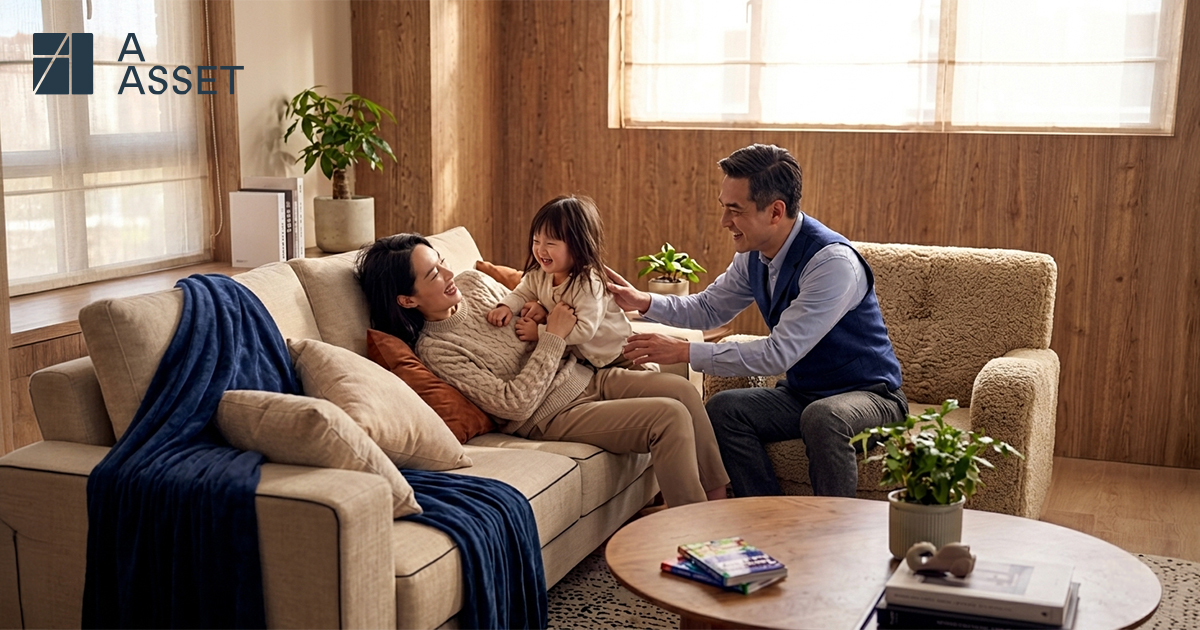
These details may not be the first things residents notice when they move in. Over time, however, they become part of the everyday comfort, happiness, and sense of well-being that residents can genuinely experience.
Happiness Reflected Through the Voices of Residents
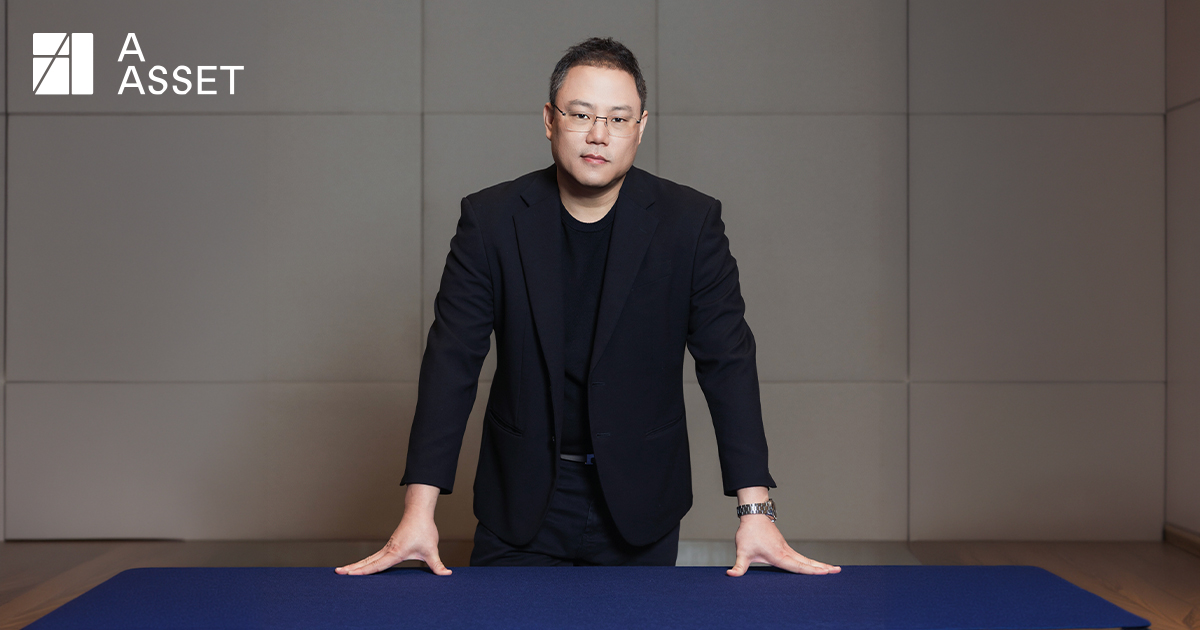
According to Anawat Chatsirikul, Chief Executive Officer of A Asset Group, developing projects in Vietnam came with many challenges and required considerable adaptation, particularly during the company’s early steps into overseas development.
Yet the genuine intention to improve people’s quality of life eventually translated into tangible change.
Residents in Vietnam expressed their appreciation with a simple but meaningful message:
“Thank you for giving us a better place to live.”
The same sentiment has been echoed by residents in Thailand:
“Thank you for building such a wonderful home for us.”
Behind these heartfelt words lies the sincerity and dedication of A Asset’s management and teams.
Our executives and team members choose to visit project sites personally, listening directly to residents and stakeholders—whether the feedback comes in the form of praise or criticism. We do not shy away from shortcomings because we believe that every issue offers an opportunity to learn, improve, and move forward.
By turning lessons into continuous improvement, we believe a building can become much more than a physical structure. It can become a place where meaningful connections are formed and an enduring asset that carries happiness, security, and value from one generation to the next.
Ultimately, A Asset’s role is to create developments that are designed to grow alongside people, stand the test of time, and move sustainably into the future.