A city is never shaped by a single building. In the same way, a good quality of life cannot be created by beautiful living spaces alone.
Look beyond the individual building, and every development becomes part of a larger urban fabric—a place where people live, build families, work, connect with one another, and grow alongside an environment that is constantly evolving.
This perspective has gradually shaped A Asset’s development philosophy, where “sustainability” extends beyond environmental considerations. It encompasses quality of life, human connections, building performance, and the ability of a place to create and sustain long-term value for its surrounding community and urban context.
Behind this philosophy lies a wealth of experience accumulated across multiple dimensions of the real estate industry and across different markets, including Thailand, Japan, and Vietnam. This foundation includes PPSN, an engineering and construction management consultancy with more than 36 years of experience, and BCONS, a leading real estate developer and construction company in Vietnam with a diverse portfolio spanning residential developments, hospitals, shopping centres, hotels, mass transit systems, and infrastructure.
These experiences have shaped A Asset’s perspective on real estate development. Instead of beginning with the question:
“How should we build a building?”
A Asset looks to a broader and more meaningful question:
“How can we develop places that enable people to live well, while continuing to create long-term value for the city?”
From Real Demand to Understanding How People Really Live
One of the key environments in which this philosophy took tangible form was Vietnam, through the development experience accumulated by BCONS.
When BCONS began expanding into real estate development, Vietnam was experiencing rapid urbanisation alongside growing demand for housing. Development therefore began with an understanding of real demand in the market, before applying engineering expertise and project management capabilities to create real estate that responded to genuine needs.
Among BCONS’ many developments, one of its notable early projects was BCONS SUOI TIEN, a residential development comprising two 20-storey buildings with approximately 653 units, which has since been completed and delivered.
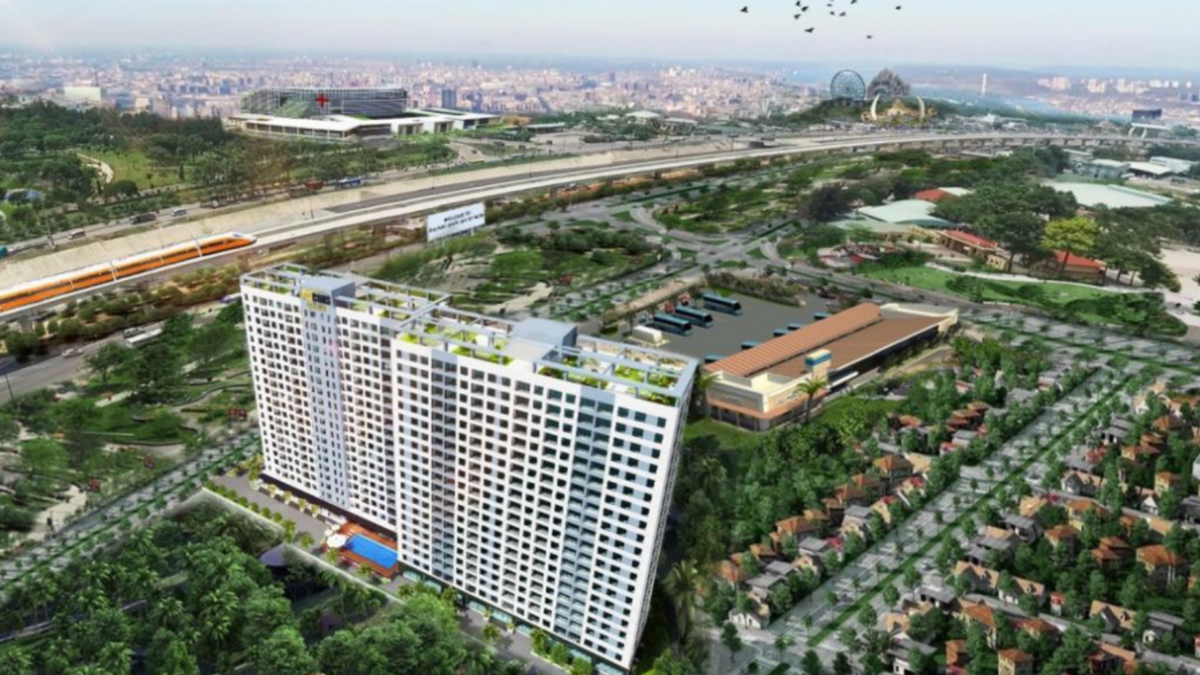
Pic: BCONS SUOI TIEN
What makes the project significant is not simply the number of units or the scale of the buildings, but the lessons that emerged when “plans on paper” became “real life.”
Once residents began moving in, new insights emerged—details that construction drawings alone could not fully anticipate. These ranged from how people actually used different spaces and the convenience of everyday living to maintenance requirements and opportunities for improvement in subsequent developments.
For A Asset, experiences such as these have contributed to a development approach centred on Human-Centered Design, or People First.
The principle is straightforward: a building is a tool, but people are the ultimate purpose of development.
Embracing Life Through a Living Ecosystem
As experience grew, so did the scale of the questions.
The initial question may have been, “How do we create a good residential building?”
But as developments became larger and more complex, the question evolved into:
“How do we create an environment where the lives of many people can coexist and function well together?”
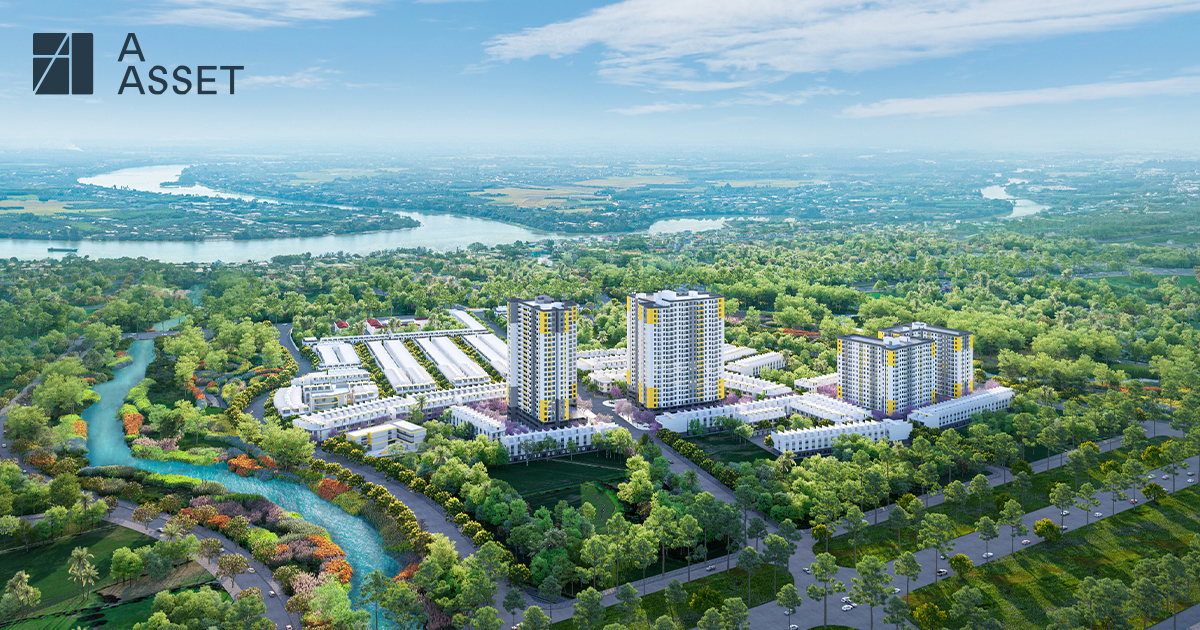
This shift can be seen more clearly in BCONS CITY, a large-scale development that brings together a wide range of facilities within one integrated area. The development comprises several residential buildings, including GREEN DIAMOND, GREEN TOPAZ, GREEN EMERALD, and GREEN SAPPHIRE.
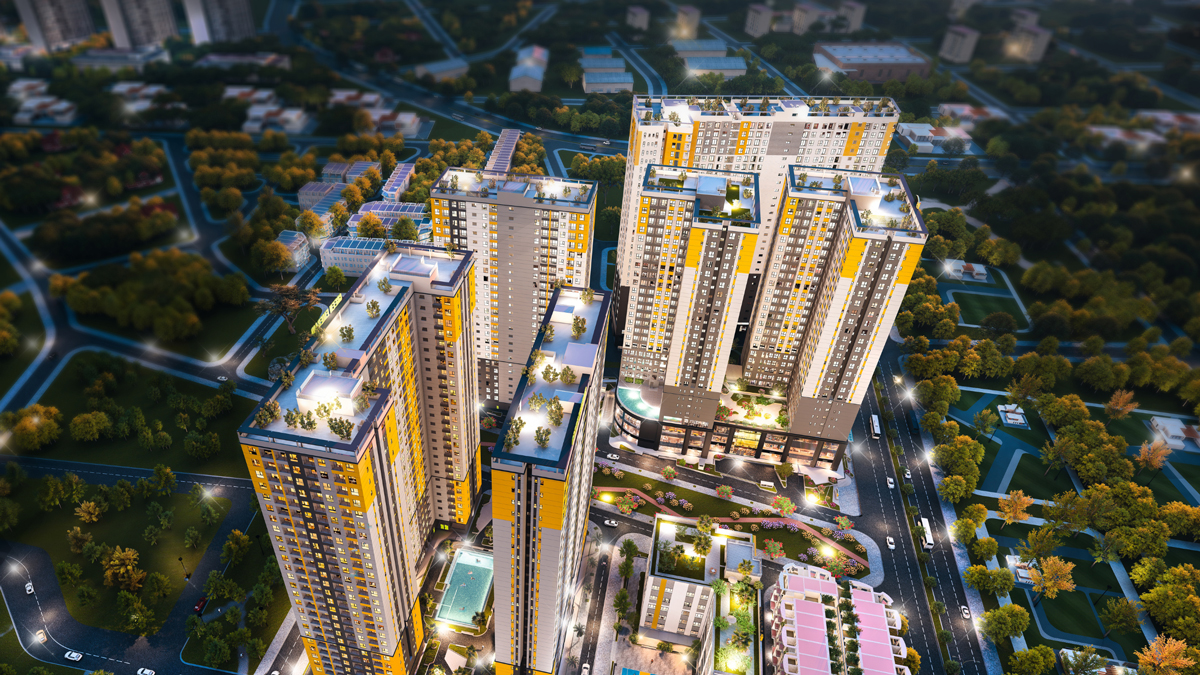
Pic: BCONS CITY GREEN EMERALD
At this scale, development requires a different way of thinking—one that considers the relationships between buildings, shared spaces, mobility, amenities, and the everyday lifestyles of a large number of people simultaneously.
The concept of a Living Ecosystem leads to a deeper understanding of what makes a good community.
A successful community depends on the balance between people, place, systems, and management—creating an environment where individuals can live in their own way while coexisting comfortably and meaningfully with others.
This represents an important dimension of Sustainable Living for A Asset because sustainability must ultimately work in real life.
A green space, for example, should not be measured simply by the number of trees it contains. More meaningful questions are: Can people actually use the space? Does the environment encourage everyday use? And, importantly, how will it be maintained so that it continues to perform well five, ten, or even many more years into the future?
The same principle extends across every aspect of real estate—from materials and building systems to shared spaces and facilities.
What is created on day one only achieves its true value when it continues to perform well after people move in—and for decades thereafter.
Connecting Life and the City: When Places Need to Go Beyond Residential Living
Another stage in BCONS’ development experience in Vietnam is reflected in BCONS SOLARY, a high-end mixed-use development comprising four residential towers of approximately 38–40 storeys, with more than 2,000 residential units in total.
As residential development became increasingly complex, the challenge shifted from designing individual “buildings” to thinking in terms of “systems.”
After all, a person’s life does not take place solely within a residence.
A typical day involves waking up, travelling to work, eating, exercising, meeting people, relaxing, and eventually returning home. Life is made up of many different spaces, activities, and interactions.
Real estate development therefore needs to move beyond treating residential, commercial, and hospitality as separate components. The more important question is how these elements can connect and work together to create a better overall living experience.
This is why the idea of an Ecosystem carries particular meaning for A Asset.
Every development should understand the role it plays within the wider ecosystem of the city.
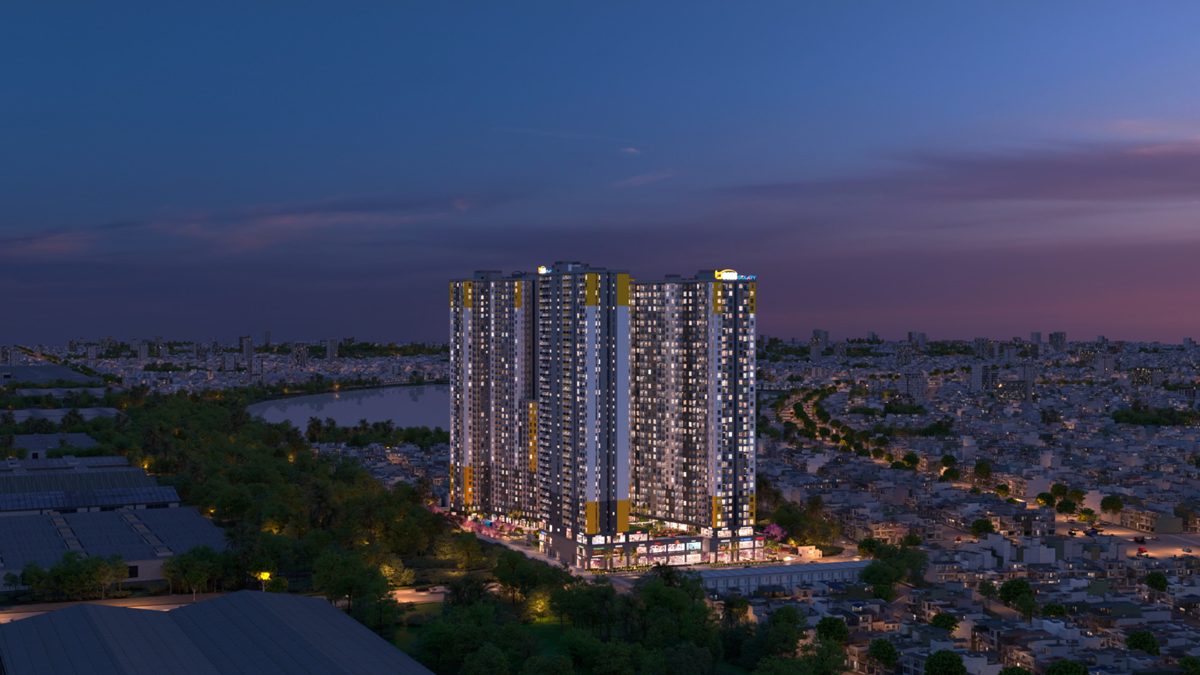
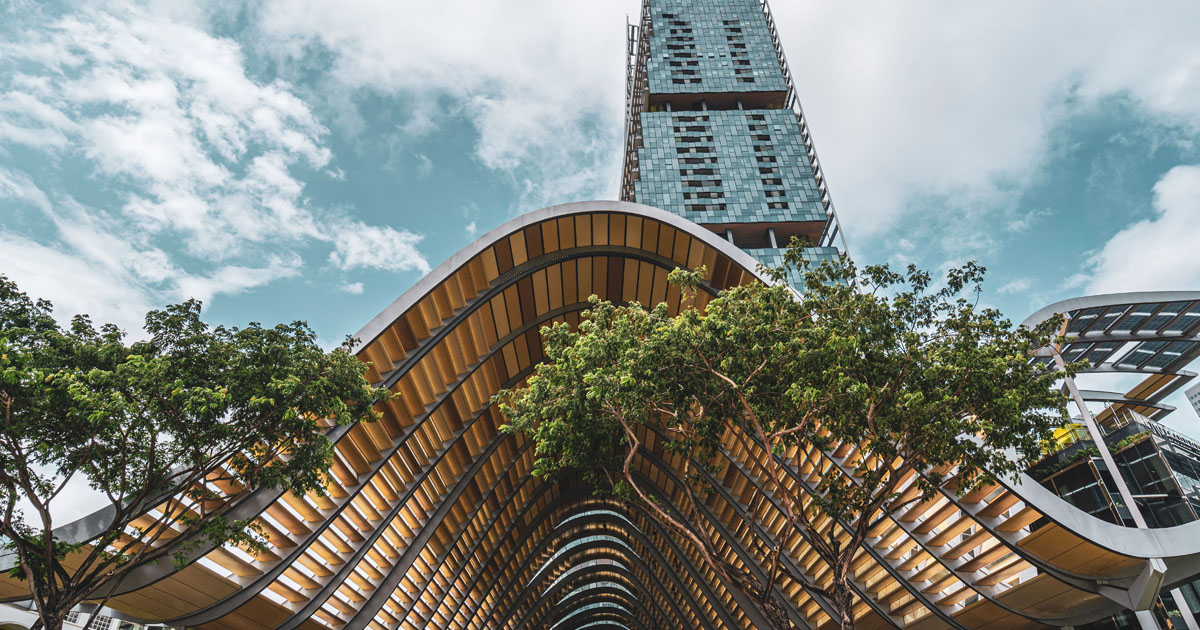
Pic: BCONS SOLARY
What We Build Today Should Continue to Matter Tomorrow
The future of real estate is becoming increasingly complex.
Urban expansion, demographic shifts, more diverse family structures, the growing role of technology in everyday life, environmental challenges, and rising expectations around quality of life are all reshaping the way people interact with cities and the places they inhabit.
These changes require developers to look further ahead.
For A Asset, the experiences accumulated over time are not simply a record of past achievements. They form a foundation of knowledge that continues to inform how the company thinks about development for the future.
From creating quality buildings to creating places that understand how people live.
From designing spaces to building Living Ecosystems.From caring for residents to caring for communities and their surrounding environments.
And from measuring success today to asking how what we create can continue to deliver value for decades to come.Because meaningful development is not only about what is completed today.
It is about creating places that remain relevant to people, communities, and cities—today, tomorrow, and well into the future.